A Day In the Life – Spring
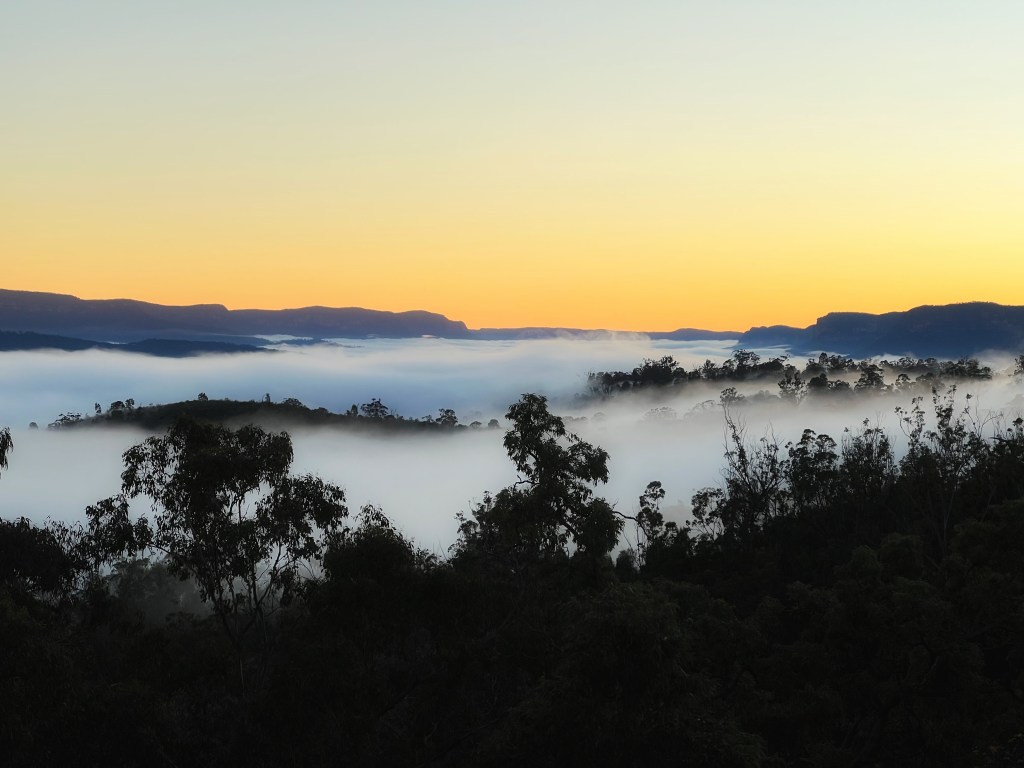
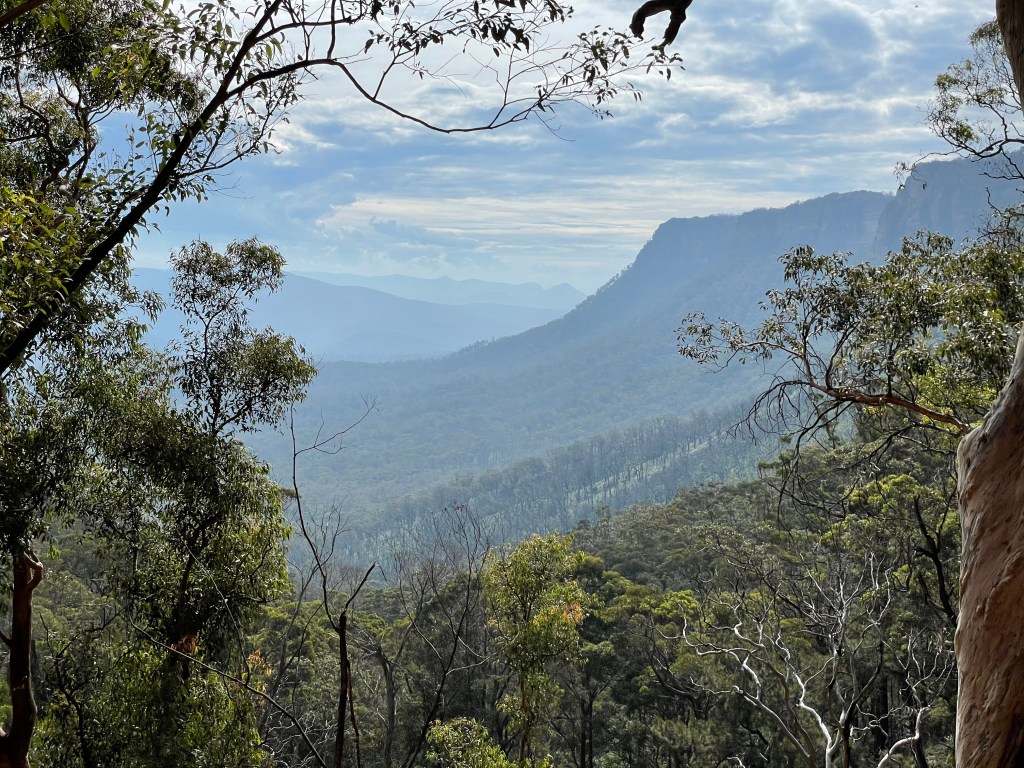
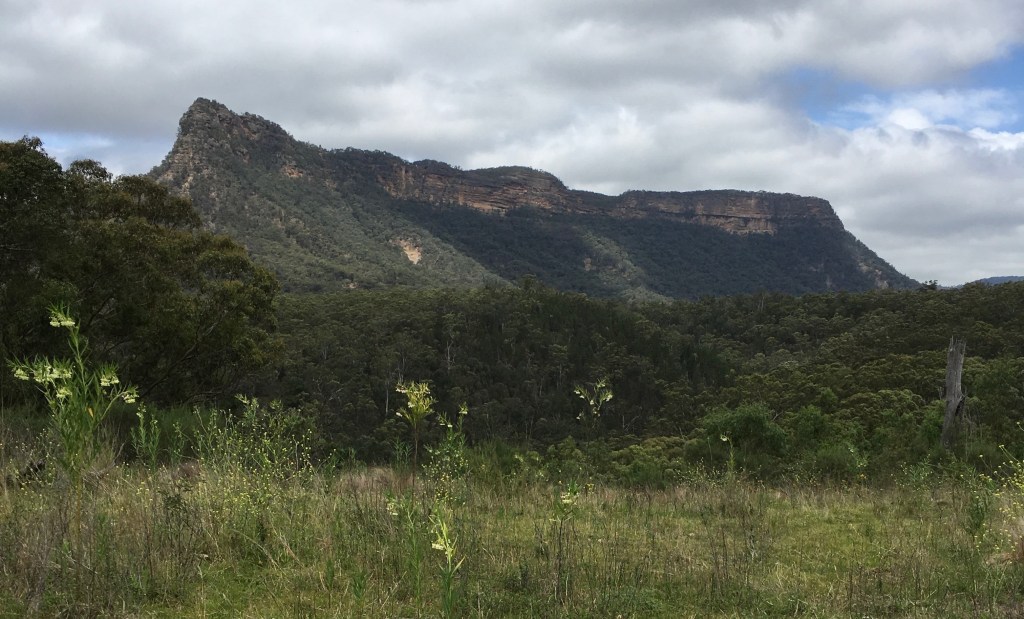
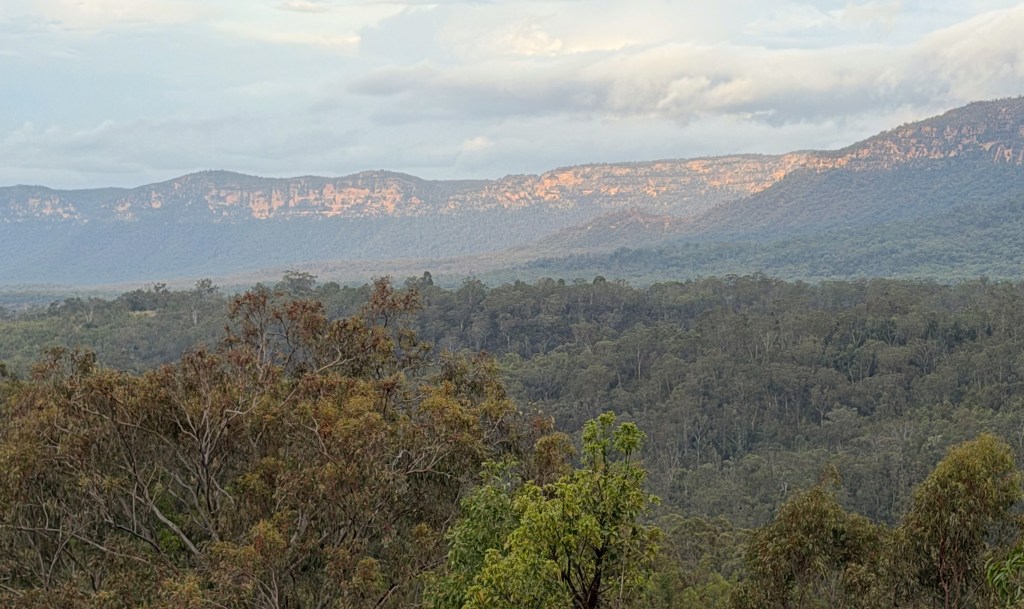
In spring, mornings start cool and end hot. The valley sits 500m lower than the highlands around it, so it has a climate of its own – the sun hits the river later, the cliffs trap the heat and the western mountains hide the full sunset offering a little bit of a late day reprieve from the heat. It is an ancient, isolated place here, carved over millions of years with some of the present day geology existing when we were part of the Gondwana supercontinent, and the valley itself has been behind locked gates since the 1960’s, accessible only to adventurous hikers and the few remaining on the land.
This spring, it’s been dry, and the western hills are mostly exposed rock and thirsty vegetation, but along the river and through the gullies there’s still green feed, and there is always plenty of scrub, brush and trees.
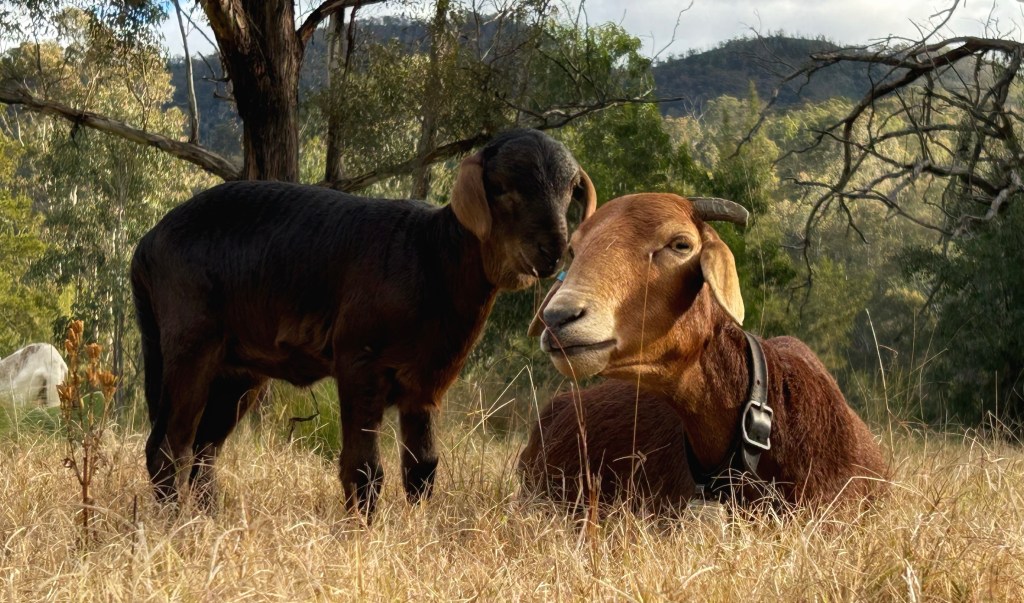
Lambing is mostly behind us, and the ewes are wandering further from home with their older lambs. The babies are now happily working their way through the trees, shrubs and grasses. Many lambs have already left the valley for new homes and a few more are getting ready to go, so the flock is shrinking back to its normal size. We used multiple rams tis year in a staggered pattern, so some ewes are lambing right now, our second round for the year, and we are waiting on what we hope will be some good rams from Skip.
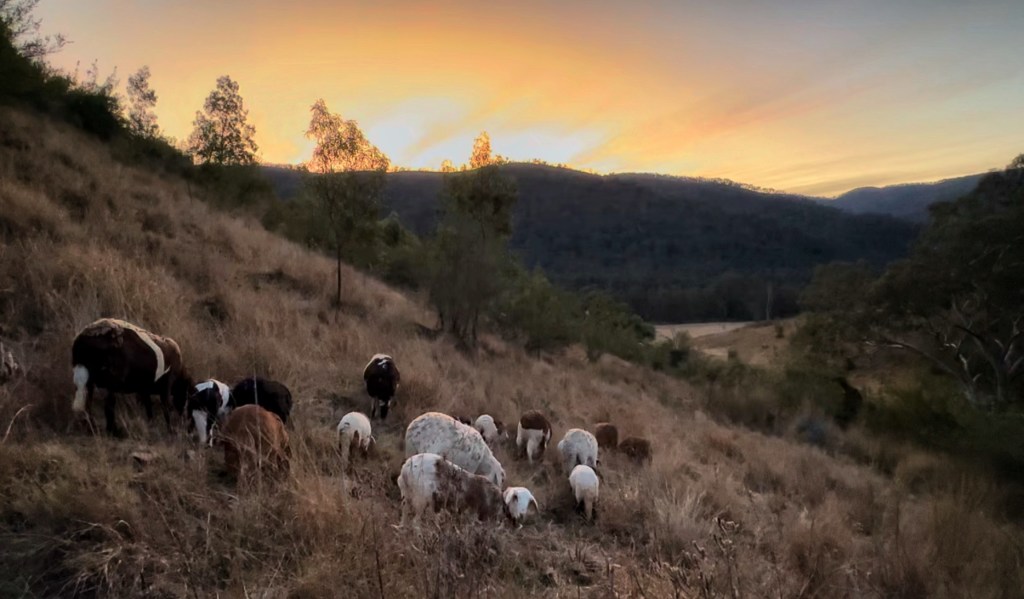
Their daily pattern has changed with the warmer weather. They head off to the south early in the morning, then come back to rest in the shade as the spring days reach 30 degrees. Late in the afternoon they set off again, to the north or east, for an evening forage. Their winter coats are shedding, and the glossy summer pelts are coming through. When they’re not out on the gullies and flats, they hit the river, working through all the new weeds that are starting to appear. There is also a certain group of four who are clearly planning an orchard break-in … they must remember how good the leaves tasted in there from when they were poddies. Attempts have been made so far, the score is 3:1 in my favour.
The flock make excellent mulchers at this time of year while we clear and prepare for the fire season, and they appreciate every variety of wattle, eucalyptus, she-oak and peppercorns – plus all the non native and fruit trees that we trim. This spring marks a couple months past the first birthdays of our 2025 rams, so we’re taking our time to select which ones we’ll keep for breeding, in our flocks and offered for sale. We’re currently working with six, each looking pretty good so happy so far.
As things warm up, we also start to watch more closely for parasites. Damaras are a resistant breed, but they aren’t immune. We do faecal egg count (FEC) checks every six weeks so we can stay ahead of any issues. We also watch for poor doers, any sheep that seem to be affected more than the others, so we can assess them and remove them from the breeding flock if needed. As a pretty tough breed, this does not happen often, but we won’t keep a poor performing ewe in the breeding flock. Spring is also the start of fire season, and our remote valley has particular challenges. We’re fortunate that our geographical position works in our favour, but from now through to autumn we keep prepared paddocks ready to move the sheep to in case a fire affects us. Your local fire brigade can help provide resources to make a plan if you would also like to prepare your flock. Have any questions – just contact us.
A Day In the Life – Winter
Winter mornings here start a bit slowly for the flock. The valley sits below 750m high escarpments to the east, so the sun does not hit the valley floor till 9am or so, and we are often under fog for the first few hours after dawn — not a lot to inspire an early start for the flock! They tend to wander and lightly browse the flats along the river at this time, which is when we meet them for a quick hello and look over everyone, make sure all is well, check for any new additions. Then we are on our way, and they’re on theirs.
In winter they usually go up the mountains to the east – not along the river flats like summer — instead working the hills. The grasses and shrubs change this time of year and they know it, there is less lush riverside growth to lure them south and north and so they browse higher rather than low. The granite rocks up there do us a huge favour – grinding their hooves down naturally. Our ewe flock never needs hoof trimming as the rock takes care of it. It is time however that we pay attention to the ram flock hooves – as the boys have their own ¨bachelor paddocks¨ along the river which is nice sandy ground, and whoever is not with the ewes can tend to need a trim at this time.
They eat whatever they find — wattles, peppercorns, she-oaks, gums, blackberry. They chew on the invasive tussock grass (never enough to control it though) and despite the grasses heading into dormancy they still have a lot to work with. Around midday they tend to come home, rest up for a few hours, then head back out in the afternoon — usually hitting the northern flats and foothills and visiting the boys before the light goes.
We always have bells on them. Surprisingly, 70 Damara can disappear completely into scrub — they blend in so well you’d walk past them. The bells let us find where they’ve got to, in case they have decided to do an unusual camp out on the hills … it does not happen often, but when it does, we are very glad of the bells, as they work even when the GPS tracker is out of battery.
We’re lambing at the moment, so the nursing ewes get a little extra TLC. They find plenty of their own forage — the browsing here is good — but we supplement with dried distillers grains for the extra protein while they’re raising lambs, and a small lick of molasses and salt as things start to dry off. These are animals that don’t need much, but we’re running a breeding flock and we want them in top condition. They repay it reliably: Damara can lamb successfully every eight months, naturally, without intervention. Keeping them in excellent health is how we give back.
In the evening, everyone comes home. They have their favorite spots to settle and they use them – mostly right in the middle of the road to the house. They let us know they are home – the bells, and a lot of calling out as they settle. We do a final check — everyone back, everyone looking right. Then sleep – and of course, perhaps an overnight or early morning birth.
If you would like to keep up to date with the flock as they adventure through this winter, we update our instagram regularly – which is reflected on our Gallery page on this site. if you have any questions about the flocks management, their daily life, or how they would work at your place, just contact us.